There's a lot of advice about personal branding that focuses on words — what to say, how to say it, what message to put across. But imagery does its work before any of that. The profile photo someone sees when they land on your LinkedIn, the visuals that appear alongside your posts, the way you look in your cover image — these set the tone for everything that follows.
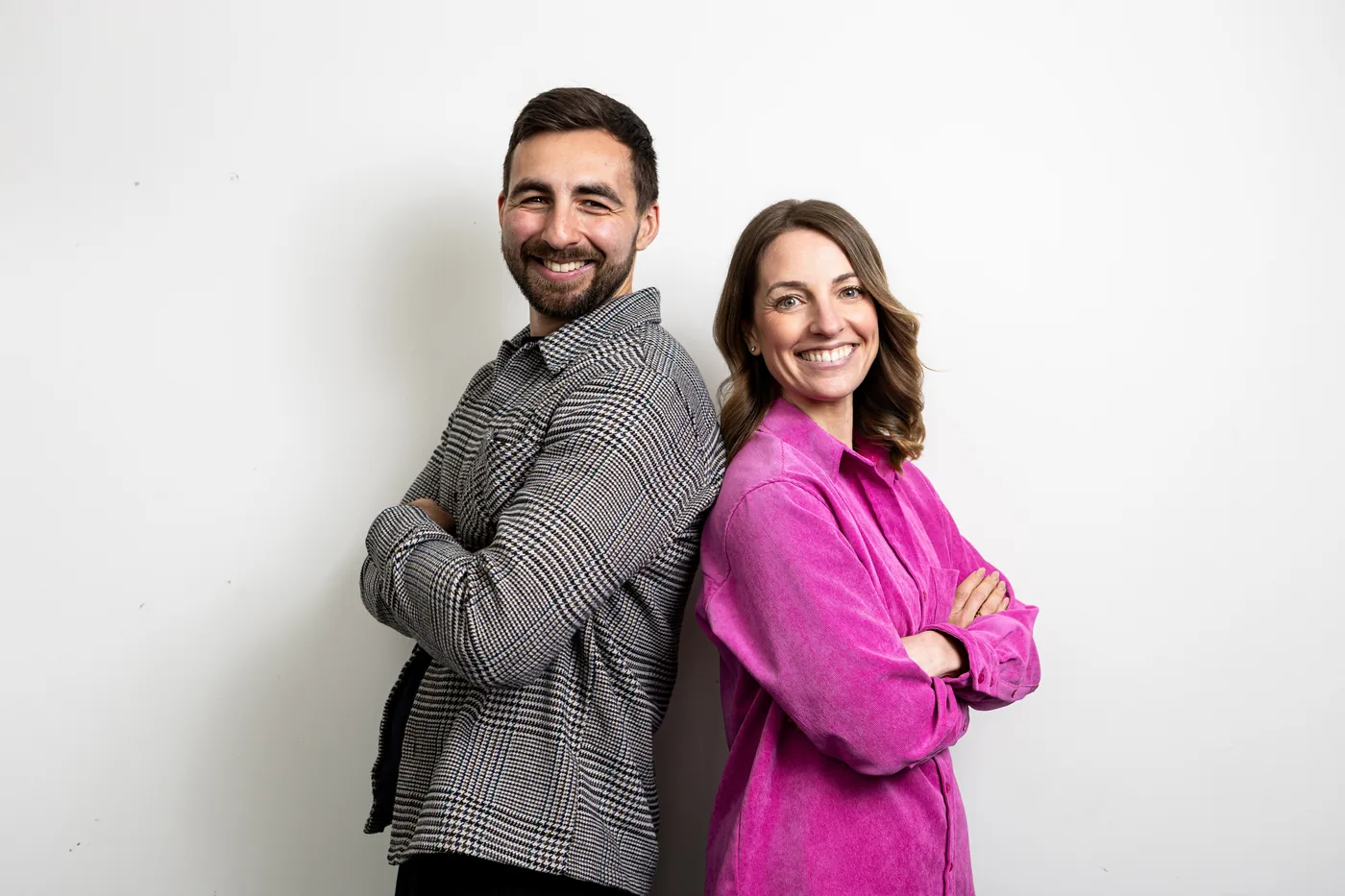
In this episode of Built To Be Seen, Caz and Toby — with Toby bringing his professional headshot photographer perspective — get into what actually makes personal branding imagery work, and what the most common mistakes are.
Your Profile Photo Is Working Harder Than You Think
Your profile photo isn't just an image — it's a first impression that travels everywhere your name travels. Every comment you leave, every connection request you send, every piece of content you post appears alongside it. In the feed, it's often tiny. But that tiny image is making a subconscious impression on every single person who sees it.
Toby makes this point from direct professional experience: a clear, well-lit, expressively authentic photo that captures your personality does enormous work, even at small sizes. The face needs to be visible, the expression needs to connect, and the overall feeling needs to align with the brand you're trying to build. A blurry photo from five years ago, or a cropped wedding picture, simply isn't doing that job.
"Your profile photo appears on every comment, every post, every message. It's your most-seen piece of content — and most people treat it as an afterthought."
Good Imagery Communicates Personality, Not Just Professionalism
The biggest mistake people make with personal brand photography is aiming purely for "professional." Professional is the floor, not the ceiling. What great personal brand imagery does is communicate personality — warmth, approachability, confidence, energy, or whatever it is that makes you specifically you.
Toby's approach draws directly on his background in casting photography: the goal is to capture genuine expression, not to have someone sit still in front of a plain background looking slightly uncomfortable. A client who comes in briefed and relaxed, photographed in an environment that suits their brand, with direction that draws out natural authentic expression — that produces imagery with real personality.
Location and Context Add a Layer of Storytelling
Where you're photographed tells a story. A creative professional photographed in their studio says something different from the same person photographed in a corporate office. A coach photographed outdoors in natural light communicates something different from one against a white backdrop. These contextual cues are absorbed subconsciously and contribute to the overall impression your brand makes.
Think about what the setting says about you. Does it reflect the world you work in? Does it resonate with the audience you're trying to reach? Does it feel genuinely like somewhere you'd be, rather than a generic backdrop chosen for convenience?
"Where you're photographed is part of the story. The right location doesn't just look good — it communicates something true about who you are and the world you work in."
Brief Your Photographer Thoroughly
The quality of a personal brand shoot depends heavily on the brief. A photographer who understands your industry, your target audience, your brand values, and the specific uses for the imagery you need can create something genuinely powerful. A photographer shooting without that context is just taking nice photos of you — which isn't the same thing.
Before any personal brand shoot, get clear on: what platforms will these images appear on? What do you want people to feel when they see them? Who is the target audience? What does your current imagery communicate, and what do you want to change? The answers to these questions transform a generic photo session into a targeted brand asset creation exercise.
Invest in Variety, Not Just Quantity
A library of personal brand imagery that has variety — different expressions, settings, contexts, and crops — gives you far more creative flexibility in your content than hundreds of virtually identical shots. You want images that work for a LinkedIn banner, for social media posts, for website headers, for speaking bio pages, and for the informal thumbnail of a video.
Each context calls for a slightly different image. Planning for this variety in advance — discussing shot lists and use cases with your photographer before the session — ensures you leave with everything you actually need rather than discovering gaps later.
You Don't Need to Love Your Photos — You Need to Trust Them
Most people find it difficult to look at photos of themselves. There's a persistent instinct to focus on everything that's "wrong" — the angle that doesn't flatter, the expression that doesn't match how you picture yourself. Caz is direct about this: the goal isn't to love every image. It's to trust that the images are representing you in a way that works for your audience.
Your audience doesn't see what you see. They see someone who looks like a real person, with a personality, doing the work they're interested in. That's what the imagery needs to communicate — and a good personal brand photographer will capture that even on the days when the subject is convinced they photograph terribly.