Getting your personal brand off the ground isn't just about what you post. It starts long before that. It starts with your profile — the thing people land on when they Google you, click through from a comment, or get recommended your name by someone else.
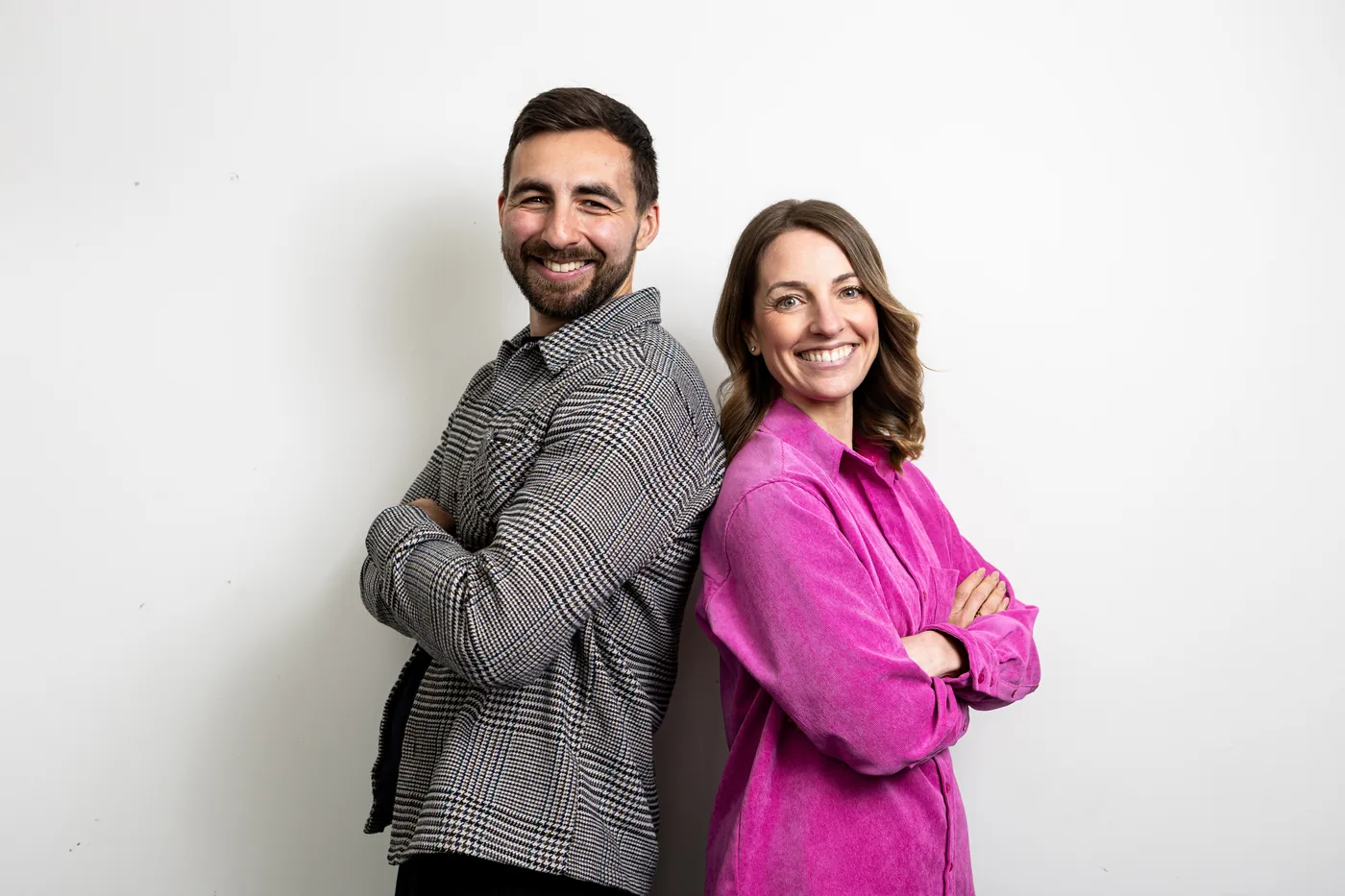
Caz and Toby break down exactly what needs to be in place before you start showing up consistently online. None of it is complicated. But most people skip it.
Fish Where The Fish Are
One of the biggest mistakes people make is trying to be everywhere at once. Every platform, every format, posting daily across the board. It sounds committed. In reality, it's the fastest route to burning out and disappearing entirely.
Tom Stanfield of Linking Marketing puts it well: fish where the fish are. Know where your audience actually hangs out, and start there. Toby spent years focused on Instagram and Facebook because, as a photographer, visual platforms made sense. It was only eighteen months before recording this that he got serious about LinkedIn — and now it's his most valuable platform by a distance.
Pick one or two channels. Get established. Build a following. Then expand. You can always add more later. You can't undo the burnout from trying to do everything at once.
"Unless you have a marketing team working with you, you can't be everything to everyone. Personal branding is about being personable — being you."
Your Profile Photo Is Doing More Work Than You Think
This is the first thing people see. Not your content. Not your bio. Your face. And if your profile photo is blurry, cropped from a group shot, or three hairstyles out of date — that's the first impression you're making.
It doesn't have to be a professional shoot (although it helps). It does need to be clear, well-lit, and current. A photo taken on a decent phone in natural light beats an outdated studio shot every time. The goal is simple: when someone who's met you in person lands on your profile, they should recognise you immediately.
And your cover photo? That's your billboard. It should reinforce what you do and who you are — not sit as a grey void or the default blue gradient LinkedIn gave you in 2015. Canva has free templates that take twenty minutes to make something that looks intentional. Use them.
Write Your Bio For Your Audience, Not For You
Here's the thing about bios. Most people write them as a list of achievements and credentials. "Award-winning professional with fifteen years of experience in…" That's fine. But the question your reader is actually asking is: what do you do for me?
Toby's LinkedIn bio leads with a line his clients say to him all the time — "I hate my smile" — and then explains the psychology behind why people feel that way, and how he helps with it. It's specific, it's relatable, and it immediately speaks to the person he's trying to reach. That's the bar to aim for.
Keep it readable. White space is your friend. Chunked paragraphs, maybe a bold line or two, the key points surfaced quickly. Nobody is reading a wall of dense text in a LinkedIn about section. They're scanning. Make it easy to scan.
"View your profile as if it were someone else's. That's when you spot the bits that don't feel like you anymore — or never did."
A Word on AI Tools (Use Them Wisely)
ChatGPT is genuinely useful for drafting your bio, sharpening your messaging, and working out your positioning. Use it. But — and this is important — don't copy and paste what it gives you directly onto your profile.
LinkedIn's built-in AI rewrite tool is, in Caz's words, "a load of nonsense." It strips out every personal element and replaces it with something that sounds like it was written by a committee. At a bare minimum, remove all the Americanisms. But better still, take the AI output as a starting point and rewrite it in your own voice.
The point of personal branding is that it sounds like you. The moment it sounds like everyone else who used the same AI prompt, you've lost what makes it worth following.
Don't Wait For Perfect — Do An Audit Instead
If you've been on these platforms for a while, you don't need to start from scratch. You need to audit. Go back through your profiles — LinkedIn, Instagram, wherever you're active — and ask yourself a few honest questions. Does your profile photo still look like you? Is your bio still relevant to what you actually do now? Are your links and calls to action pointing somewhere useful?
These things go stale quickly. A business you used to work for. A service you no longer offer. An old headshot from a different chapter of your career. Update them now, while you're thinking about it, because the longer you leave it the more out of step your profile becomes with the impression you're trying to make.
And if you're just getting started — brilliant. This is your chance to get it right from the beginning. Take the time to get these foundations solid before you start posting, and everything that follows will land better for it.